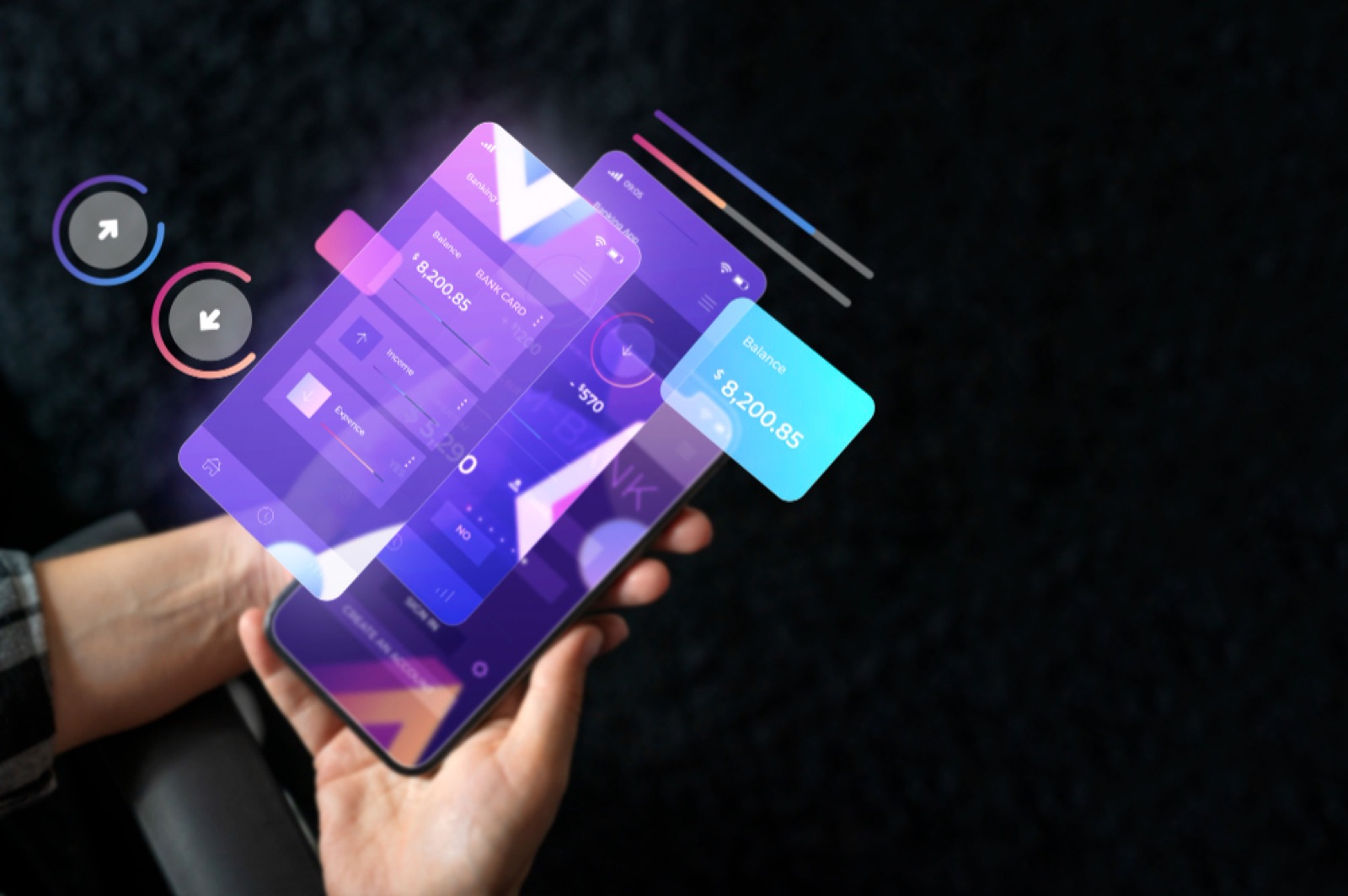
A product that works is the entry ticket, not the differentiator. When two tools do roughly the same job, people pick, keep and recommend the one that is easier to understand and quicker to get value from. That is what user experience (UX) design is for: making the product's value obvious and the path to it short. Teams that treat UX as a core discipline, rather than a coat of paint before launch, earn more trust, field fewer support tickets and grow on the back of users who stay.
This guide covers why UX matters commercially, how to measure it without inflated ROI claims, a practical process a small team can run, and the trends worth acting on rather than just watching.
Why UX matters
- First impressions count. People judge a site or app within moments of it loading. A clear layout, readable type and an obvious next step build credibility before anyone reads your copy.
- Simplicity wins. Clear navigation, plain labels and one primary call to action per screen reduce friction. Every extra field, choice or vague label is a point where someone can give up.
- Trust is emotional. Honest pricing, predictable behavior and helpful error messages make users feel respected. Dark patterns may lift a metric this quarter and cost you the customer next quarter.
- Accessibility is part of quality. A product that works with a keyboard, a screen reader and large text works better for everyone, including someone on a small phone in bright sunlight.
The business value of UX, measured honestly
You will see headline figures claiming a fixed return for every dollar spent on UX. They are rarely traceable to a study that matches your situation, so do not build a business case on them. Instead, tie UX work to numbers you already track:
- Task completion rate: the share of users who finish sign-up, checkout or the key workflow.
- Time to value: how long a new user takes to reach the first meaningful outcome.
- Support contact rate: tickets or calls per 1,000 active users, tagged by the screen or flow that caused them.
- Retention: the share of new users still active after 30 and 90 days.
- Conversion: visitors to leads, or trials to paid, split by device.
A hypothetical example: say your checkout has a 60% completion rate and 400 abandoned carts a week. Usability testing shows that a delivery charge appearing only on the final step causes most of the drop-offs. Showing the charge earlier is a small design change. If it recovers even a quarter of those abandonments, you can put a real number against the work using your own average order value. That is a business case finance will accept.
A practical UX process for small teams
- Define the core tasks. List the three to five things users must be able to do. Everything else is secondary.
- Talk to users. Five to eight short interviews per user segment usually surface the main problems. Ask about their last real attempt at the task, not hypotheticals.
- Map the current journey. Walk each core task step by step and mark where people hesitate, backtrack or contact support.
- Prototype before you build. Clickable prototypes are cheap to change. Test them with around five users per round and fix whatever several of them struggle with.
- Ship, instrument, iterate. Add analytics events for each step of the core tasks so you can see drop-offs in production, then feed those findings into the next round.
Common UX mistakes
- Designing for the stakeholder in the room instead of the user who is not there.
- Testing only with colleagues who already know how the product works.
- Treating mobile as a shrunken desktop instead of a different context with thumbs, interruptions and patchy connections.
- Hiding pricing, fees or cancellation paths. It generates complaints and, in some jurisdictions, regulatory attention.
- Leaving accessibility to the end, when fixing it means rework.
UX trends worth acting on
- AI-powered personalization. Tailored content and recommendations help when they are explainable and easy to switch off. Be clear about what data you use, and give users a way to reset it.
- Voice and conversational interfaces. Useful in hands-busy contexts and for users who find forms difficult. Always offer a route back to a standard interface and to a human.
- Inclusive design. The W3C's WCAG 2.2 guidelines are the reference most accessibility laws and audits point to. In the EU, the European Accessibility Act has applied to many consumer-facing digital products and services since June 2025, so accessibility is now a compliance question as well as a design one.
- Microinteractions. Small animations and state changes that confirm an action, such as a button that shows it is saving or a field that validates as you type, reduce uncertainty. Keep them short and respect reduced-motion settings.
FAQ
When should UX work start?
Before the first line of code. Research and prototyping are cheapest at the start, and they shape scope, not just screens.
Do we need a dedicated UX designer?
Not always at the beginning. A product manager and an engineer who run regular user tests will catch many problems. Bring in specialist help when you are redesigning a core flow or entering a new market.
How do we know whether a UX change worked?
Decide the metric before you ship, measure a baseline, and compare over a period long enough to smooth out weekly swings.
Create impactful UX
At Velura Labs, our product and UX design services cover research, prototyping, usability testing and design systems, for startups and established platforms alike. Let’s talk about the flows that matter most in your product.
Velura Labs delivers this for teams across the United States — Seattle (Washington), San Francisco and Los Angeles (California), Austin and Dallas (Texas), and New York — as well as Europe (Paris, Milan, Rome and the wider EU), the Middle East (Dubai, Abu Dhabi and Riyadh) and India. Talk to us wherever you operate.